Video Production
Your patients are watching videos while they ponder their decision. The only question is: whose videos are they watching? Are you building a relationship with them, or are they building a relationship with someone else?
Why Videos are #1
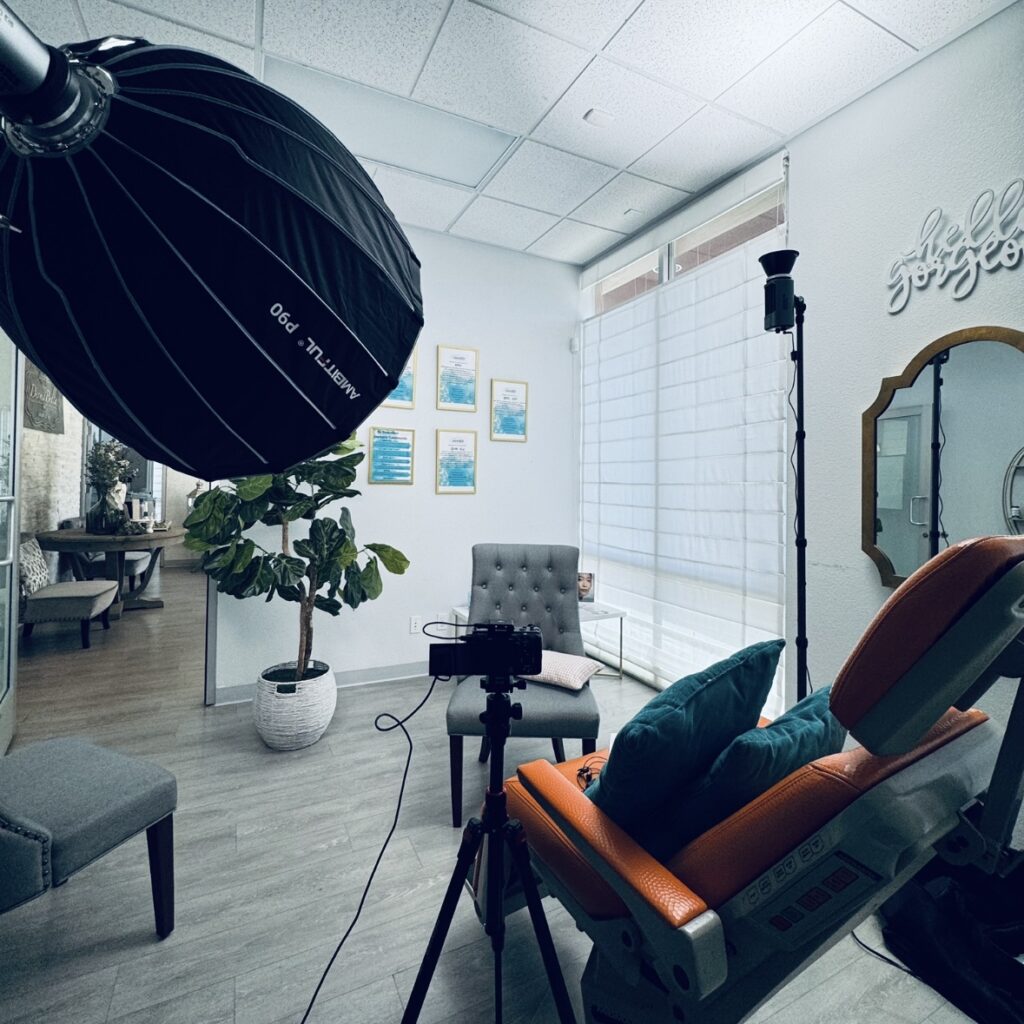
In our increasingly impersonal culture, especially inside the world of healthcare, people are craving human connection. This is especially true when it comes to a decision as significant and intimidating as what you offer. You know your patients have been thinking about this every day for years, and for some, even decades. With that comes a litany of questions and concerns.
Videos are the most effective and memorable way you can build relationships with them because they are authentic and personal, not generic and corporate. Nothing you can do matches the emotional connection videos create.
People only give business to people, not businesses. When they watch your videos, they see your face, hear your voice and tonality, listen to your stories and experiences, and observe your body language—no different than if you were sitting with them having a conversation. Nothing humanizes your practice more than videos.
The videos we create open with empathy about their current state of mind and their goals, then pivot to educating them on the process of how you can help them get it. This sequence takes them from fearful indecision to optimistic action. Your patients will never do something until they feel comfortable and excited about it.
During my Sabel Syndicate Session, we focus on your favorite surgeries and treatments to create both short-form vertical videos for social media and long-form educational videos for your website and YouTube. These videos are conversational and relaxed, no different than if you were sitting with them one-on-one.
I handle everything for you including researching the topics, writing the scripts, interviewing you, editing the videos, and even posting them. There’s no marketing you can do for your practice that comes close to the potential of these videos. I want you to look at these videos as a journey you are taking your patients along on.
my 5 step Interview System
Short Form Videos
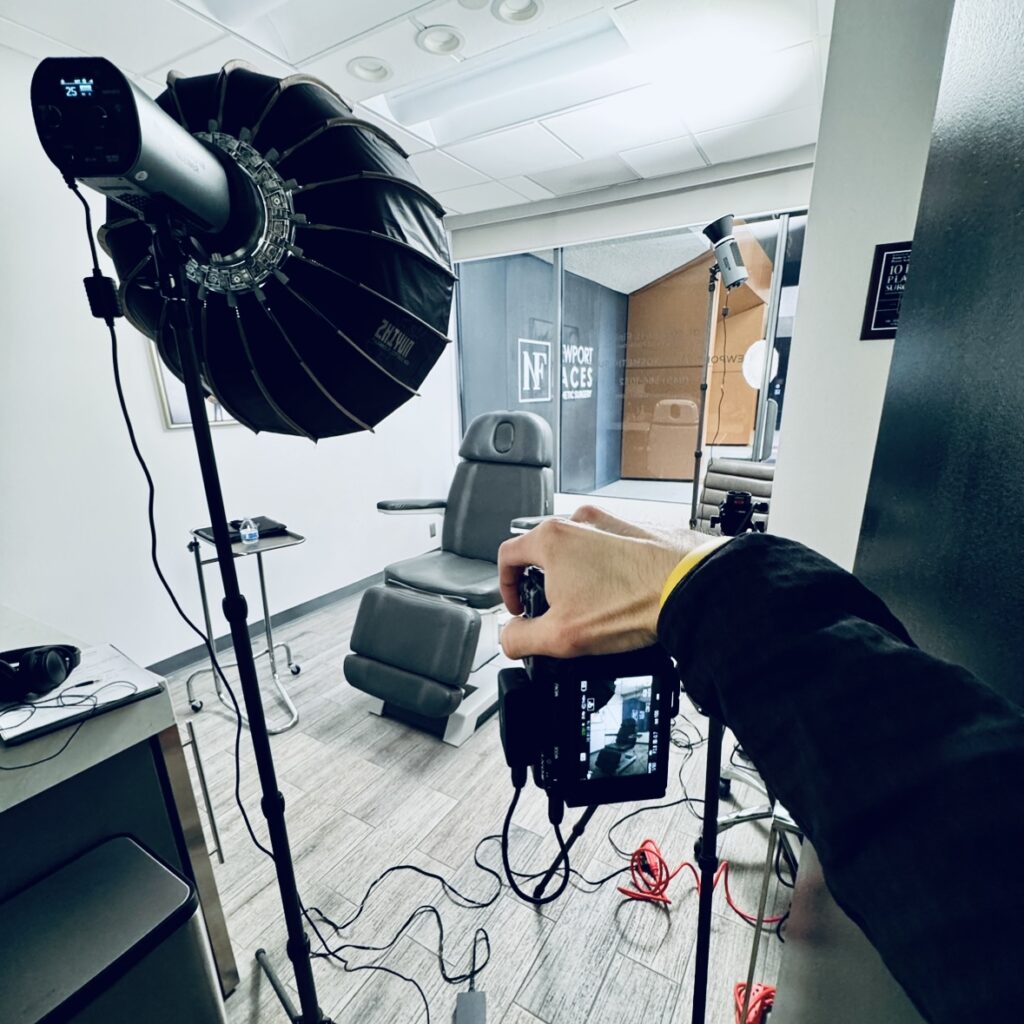
Short form videos for social media are brief snippets of information (usually 30-60 seconds) that lead with a strong opening hook to grab their attention. These videos are conversation starters.
If the viewer is interested enough they will then move over to the long form educational pieces. After they watch enough of these, they eventually turn into a consultation.
Your goal is to close the giant gap between where they are now and where you want them to be. It all starts with small steps, and these short form videos are just that.
You cannot jump from a NO to a YES, but you can jump from a NO to a MAYBE. These are the perfect first step because they get them interested and start a conversation.
The approach I take with these is batch filming, which gives you 3 months of social media content in less than 2 hours. This allows you to have a strong social media game 100% done for months.
Long Form Videos
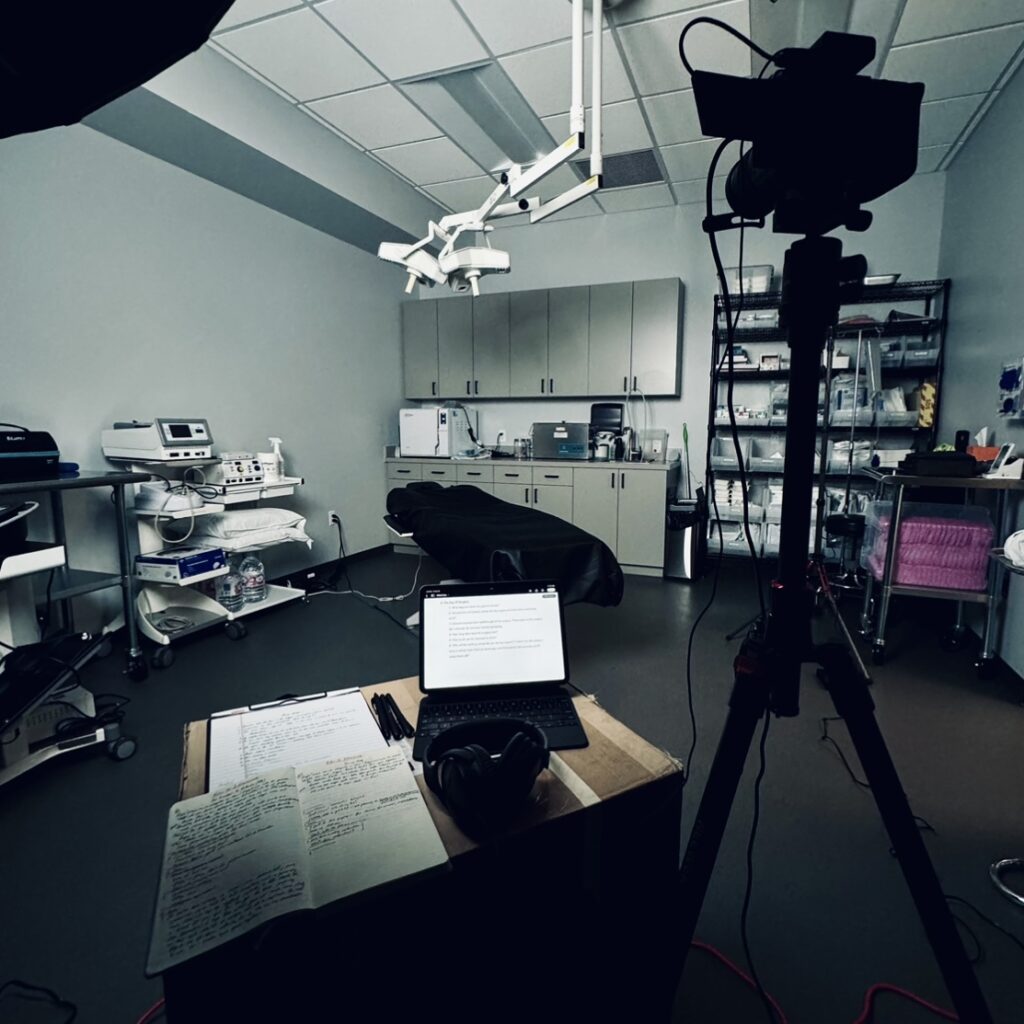
The long form educational videos we create are exhaustively detailed to cover the entire experience from where the patient is right now until after they are fully recovered. Each of these videos usually has 6 chapters.
Instead of explaining my entire approach, because it sounds a lot more complicated than it actually is, I’ve shared a sample filming outline script below.
This approach gives us one long piece and multiple individual chapters. I will upload all these videos to your YouTube channel and add them to your website. If you do not have a YouTube channel, I can create one and post them for you.
Given each of these videos is loaded with information directly from you, in your own words, I also transcribe them into a book. These are AUTHORITY pieces. Just imagine how great it will feel to hand your patients a book you wrote for them as a keepsake gift after a consultation. You can see more about these in my physical pieces section.
P.S. One bonus long form educational video that we can do is patient consent forms. These are conversations you have frequently. I can film you explaining these forms, and then you can share them with patients to save you and your staff time!
example script
Facelift Facts You Need To Know
This example script outlines the process we will go through during our Session. Our videos are conversations between you and me, and the final video is just your response.
White: Each CHAPTER is a standalone long form video. The long form educational video is all of them combined into one flowing documentary-style piece.
Green: Each italicized topic in green is a short form video for social media.
CHAPTER 1 – What Causes Wrinkles & Sagging On Your Face? What are the primary causes of aging? Discuss environmental factors like excessive sun exposure. How much do genetics contribute? What lifestyle and routines cause wrinkles and sagging?
How sun damages your face. What causes your face to sag? What causes wrinkles on your face? What are the most common causes of facial aging? How lack of care impacts your face.
CHAPTER 2 – What To Expect During A Facelift Consultation What key factors do you discuss during the initial facelift consultation? Do you have any props or visual aids you use that we can show? What are some of your most frequently asked questions and concerns? What medical history and current health info do you check? What are some common things you see that determine if someone IS NOT a good fit? How do you set realistic expectations to achieve the most natural results?
How to know if a facelift is right for you. Common concerns and questions addressed – either a list or standalone videos. Quick piece about how it is nerve-racking – talk to the humanity of getting this done.
CHAPTER 3 – Preparing For Your Facelift How do patients prepare for a facelift and when does that begin? What changes should patients make to their diet, medication, and lifestyle? How do you and your team prepare?
Quick overview of preparing for a facelift.
CHAPTER 4 – How Facelift Surgery Works How do you prepare the day of surgery? A comparison of different techniques and approaches. Are patients completely asleep during surgery and how does anesthesia work? How long does it take? Who will be working alongside you? What techniques do you use to get the most natural results and minimize scarring?
How does facelift surgery work? Fear of anesthesia. What techniques do you use to get the most natural results and minimize scarring? Comparing different types of facelift techniques and approaches. How long does a facelift take?
CHAPTER 5 – Recovery After A Facelift What happens immediately after surgery and where do patients recover? How soon can they go home? What should they expect the following 24/36/72 hours after surgery? What should they expect the following 1/2/3 weeks after surgery? How do you manage discomfort, pain, and wound care? Do you keep in contact after surgery? What changes should patients make to their diet, medication, and lifestyle during recovery? What is the typical recovery timeline for a facelift?
How long does recovery after a facelift take? The top concern about getting a facelift is the recovery – specifically pain and scarring. How quickly can you recover from a facelift?
CHAPTER 6 – Life After A Facelift How long does it take for the final results to show up? Is there any long term maintenance required? How long will a facelift last? Will the results evolve over time? What are the best ways to preserve your facelift? What skincare routine do you recommend after getting a facelift?
How long does a facelift last? How to protect your face after a facelift.